2026-10-25
Hongdae Dermatology: Can Oligio Lift as Well as Thermage?
This post compares Oligio and Thermage RF lifting, covering energy depth, tissue response, suitable skin types, pain, and typical costs to help readers decide.
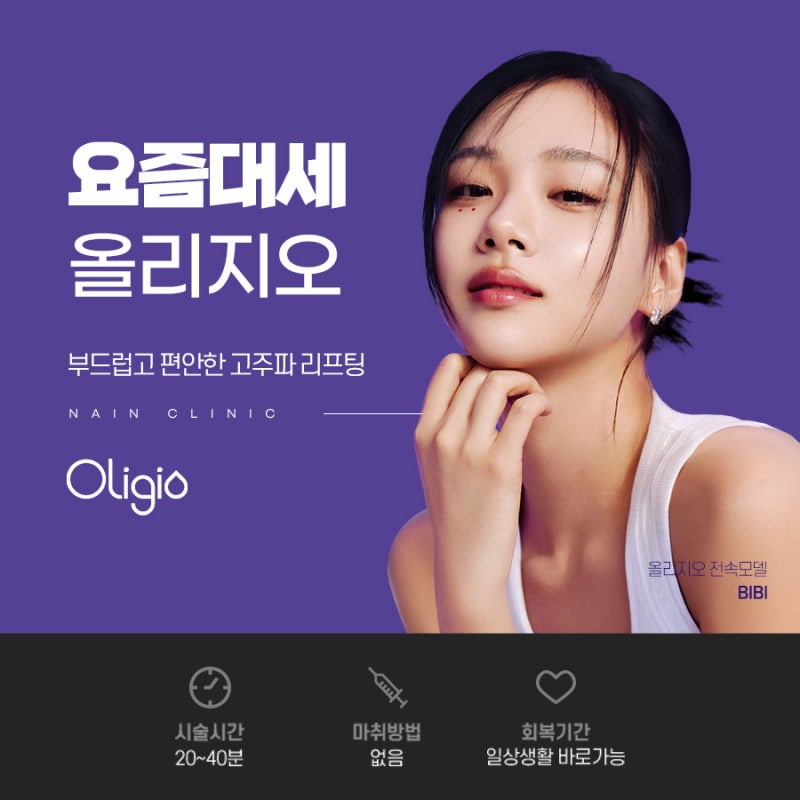
Hello, this is Go-eun Lee, the director of Nine Clinic in Hongdae 🙂
Lately, more and more people are reaching out for consultations after reading our blog.
When I first started the blog, it was simply a place to record my everyday life. But sometimes I feel a quiet sense of pride as it has grown into a real two-way space for communication, rather than just one-way posting ㅎㅎ
Today, I want to talk about Oligio, a treatment that many people considering lifting tend to look up.
It's the one many people search for at least once when they think, “Ulthera seems like it would hurt too much, and Thermage feels like a real burden.”
Maybe you clicked on this post with a similar feeling?
If so, please take a few minutes to read on.
After reading today's post, I believe you'll have a clearer answer to the question, “Would this be needed for my skin too?”
Hongdae Dermatology: Understanding Oligio Made Easy!
About Oligio
“They say it's a domestic version of Thermage. Is it really good?”
“Ulthera is scary. Is this one less painful?”
Many people ask questions like these.
Among those who know a bit more, some think, ‘If it works on a similar principle, isn't Thermage better?’
First of all, you shouldn't think of Oligio as simply a treatment that tightens skin.
It's more accurate to see it as “a lifting treatment that refines skin texture, thickness, and density itself.”
It's a much better fit for those who want to first build a firm foundation so their skin stays healthy over the long term, rather than for those seeking a dramatic V-line effect.
Here's why:
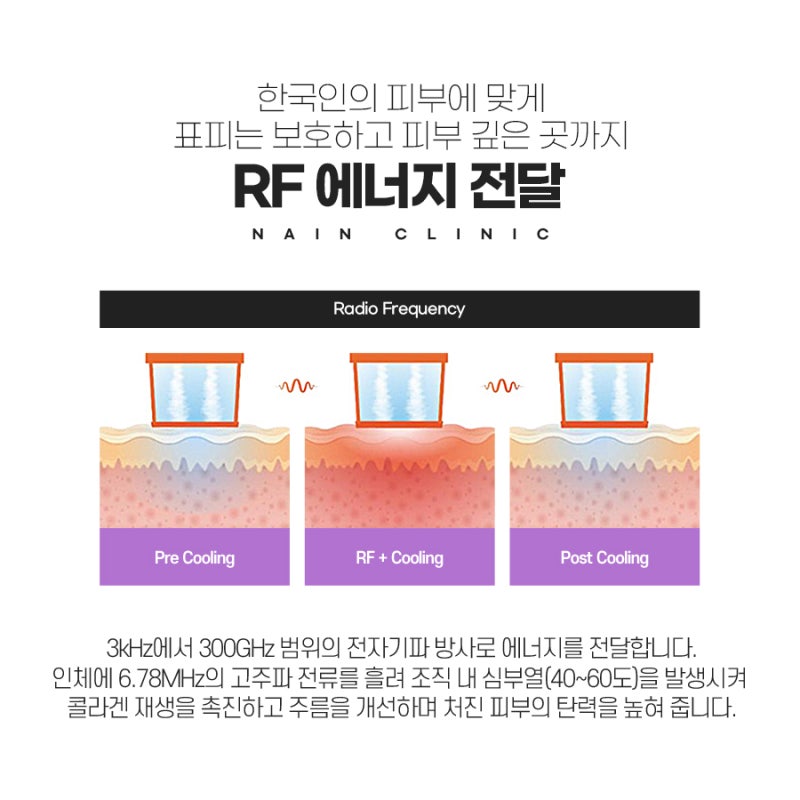
Oligio delivers radiofrequency (RF) energy evenly to the dermis, stimulating collagen and inducing the formation of new structures.
What matters here isn't simply that “collagen increases,” but that the internal structure of the skin is rearranged.
The key is that the energy doesn't scatter; it acts precisely at the “exact depth needed” within the skin.
That's why it's more effective for addressing concerns that aren't obvious from the outside but still matter, such as skin texture, skin thickness, and pore elasticity.
▸ Thinning skin with loss of elasticity
▸ Skin that finds strong stimulation like Ulthera burdensome
▸ Skin where blurry facial contours and enlarged pores bother you more than a clear sense of sagging
In cases like these, Oligio can produce more noticeable changes than you might expect.
Oligio vs. Thermage: What's the Biggest Difference?
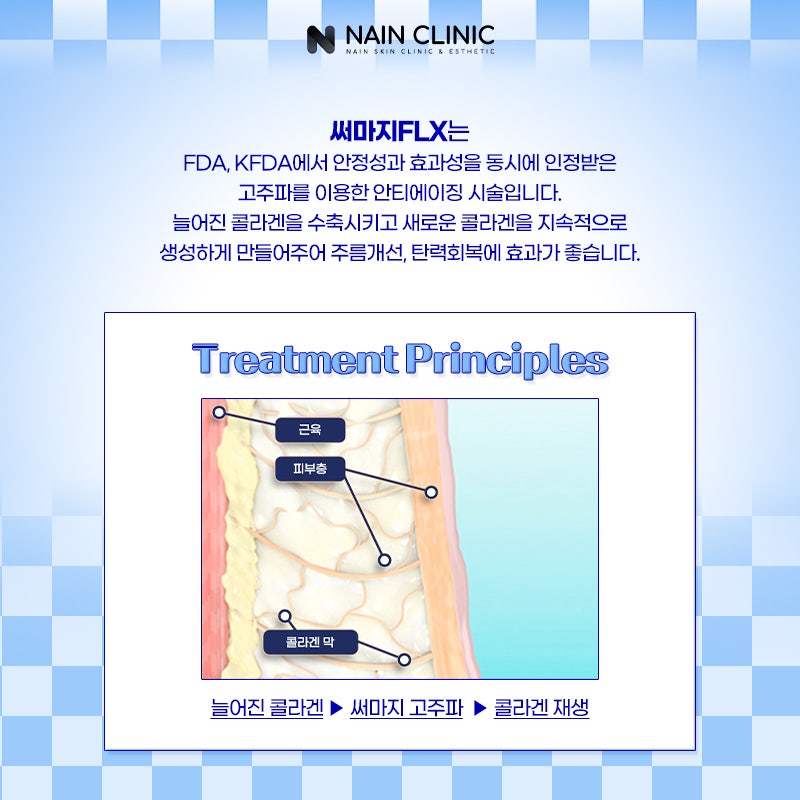
Thermage and Oligio, both available at Hongdae dermatology clinics, are radiofrequency (RF) lifting devices. But because their energy depth, intensity, and tissue response differ, the skin they suit also differs.
Thermage delivers energy deeply and strongly, so it works by tightening tissue vigorously.
That makes it advantageous for skin with clear sagging or a lot of subcutaneous fat, where the looseness is easy to see.
But it also comes with more pain, and it can be a burden for people with thin or sensitive skin.
In fact, if Thermage is forced on this kind of skin, the area can sometimes sink or lose volume instead.
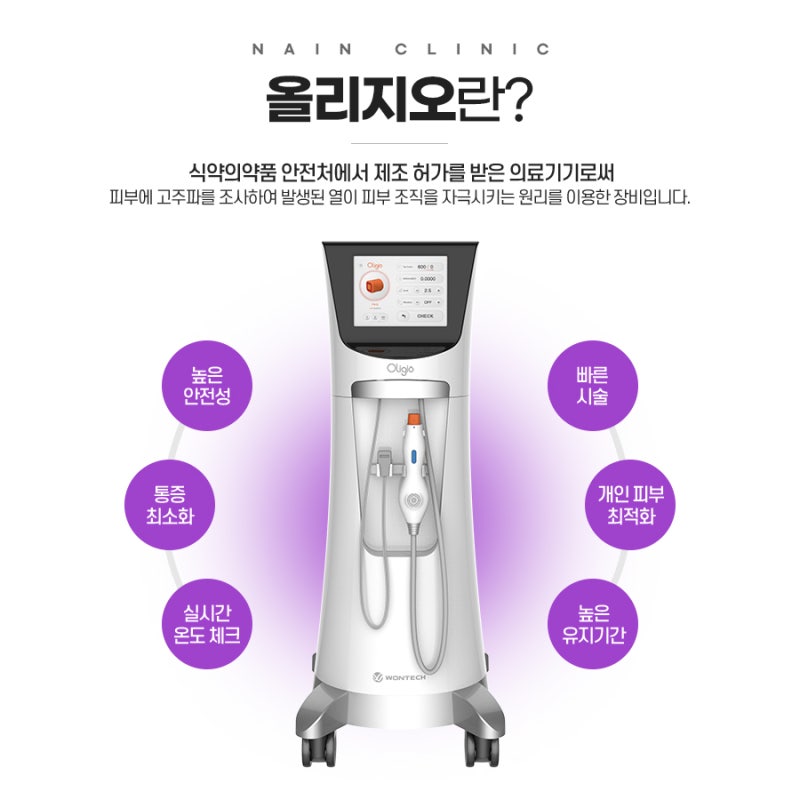
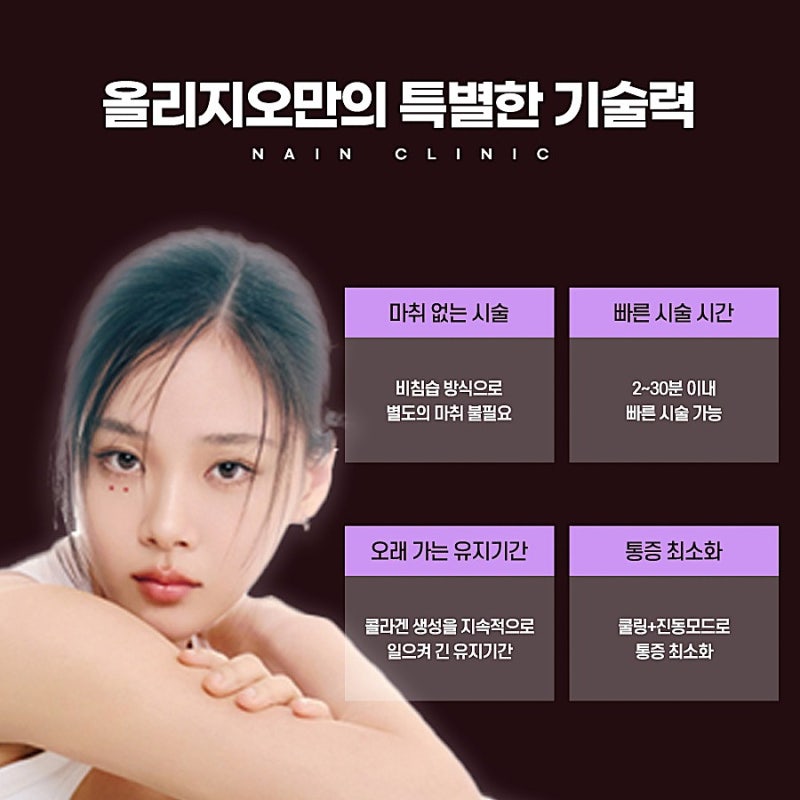
Oligio, on the other hand, has a shallower energy depth and delivers heat in a focused manner rather than spreading it widely.
That makes it a better choice for people with thin skin who care more about volume.
So Which One Should I Get?
After seeing this comparison, the question “So what should I choose?” naturally follows.
Honestly, the answer depends on checking your skin condition directly.
Skin thickness, where the fat sits, bone structure, and the density of the elastic layer all need to be examined in person before anyone can conclude which treatment you need.
That said, for those who are still curious, here is a guideline that may serve as a reference.
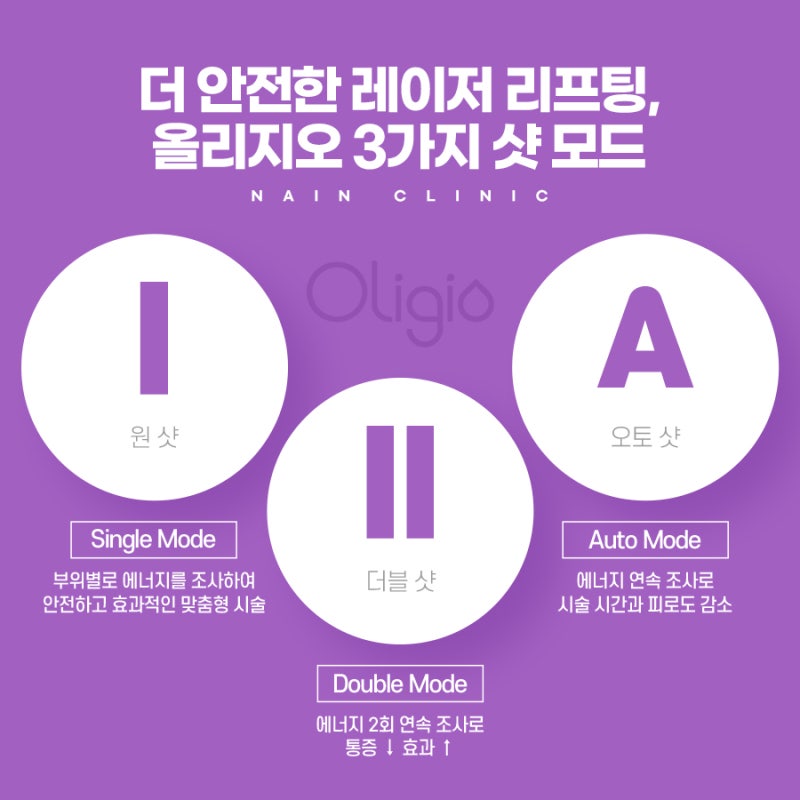
[ When Oligio Is a Better Fit ]
▸ Skin that is generally thin, where weight loss has left elasticity looking broadly collapsed
▸ A sense that facial contours have collapsed, but it's hard to pinpoint exactly where the sagging is
▸ First-time RF lifting patients who are concerned about pain or cost
▸ Those who want to refine overall skin texture, thickness, and density rather than pursue strong lifting

[ When Thermage Is a Better Fit ]
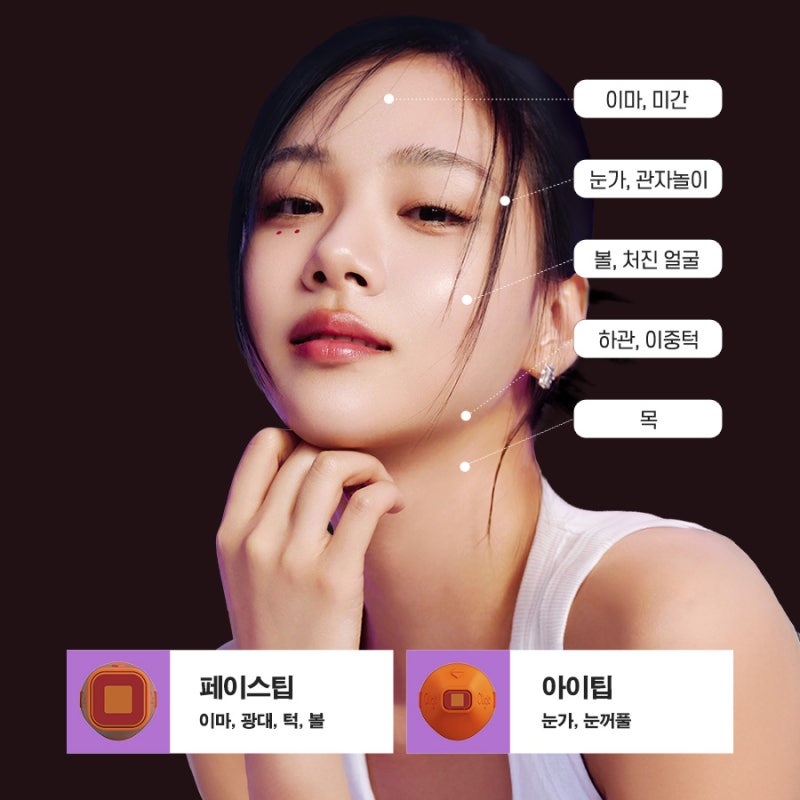
▸ Clearly visible sagging, such as cheek sagging, double chin, or deep nasolabial folds
▸ Thick fat layers and a structure that actually requires physical “tightening”
▸ Those who have had RF lifting before and found the pain tolerable
▸ Those willing to spend more who want to try strong lifting in one session
Speaking honestly about cost as well,
Thermage usually costs over 1 million won,
(Nine Clinic is currently running an event with much lower prices~🤭)
Oligio often starts in the 200,000–300,000 won range.
So for those who are new to Hongdae dermatology treatments, or who find RF lifting unfamiliar, Oligio may be the more realistic choice.
Of course, on the flip side, if your skin elasticity has declined significantly, starting with a treatment that doesn't fully address the problem can end up costing more. That's why it's important to get a proper diagnosis and set the right direction from the start.
Wrapping Up: Hongdae Dermatology Oligio
That's it!
After reading today's post, do you have a clearer idea of the concepts behind Oligio and Thermage?
The most important thing isn't the most expensive treatment,
but knowing which approach is truly right for your skin right now.
That's also why I keep writing this blog ㅎㅎ
Thank you for reading this long post today.
“We want you to become more beautiful every single moment.”
This was Go-eun Lee of Nine Clinic, Hongdae Dermatology!

And did you know
we also have a YouTube channel?
We share short, useful information about a variety of treatments,
so please stop by 😊

Goeun Skin, Lee Goeun Share videos with friends, family, and people around the world www.youtube.com
#HongdaeDermatology #HongikUnivDermatology #HongikUnivStationDermatology #HapjeongDermatology #SinchonDermatology #HongdaeDermatologyRecommendation #CollagenRegeneration #HongdaeLifting #LiftingLaser #Oligio #Thermage #SkinElasticity #ElasticityTreatment #LiftingEffect
Frequently Asked Questions
Are Oligio and Thermage based on the same principle?
Both are radiofrequency (RF) lifting devices, but because their energy depth, intensity, and tissue response differ, the skin each one suits also differs. The article advises understanding the characteristics of each treatment separately rather than viewing them as the same.
Which skin types is Oligio better suited for?
The article explains that Oligio is a better fit for thin skin with generally declining elasticity, or for those who find strong stimulation burdensome. It also applies to those who are more bothered by blurry facial contours or enlarged pores than by obvious sagging.
Which skin types benefit more from Thermage?
It is described as advantageous for skin with clear sagging or a lot of subcutaneous fat, where looseness is visible. However, the article notes that it involves more pain and may be a burden for thin or sensitive skin.
Does Oligio cause less pain?
The article explains that because Oligio's energy depth is shallower than Thermage's, it is a better option for people concerned about pain or cost. It does not give a specific numerical measure of pain.
How much does Oligio cost?
The article says it often starts in the 200,000–300,000 won range. Thermage is presented as a treatment that usually costs over 1 million won.
How do I decide which treatment to get?
The article stresses that the best approach is to judge in person by checking skin thickness, fat distribution, bone structure, and the density of the elastic layer. It adds that getting a proper diagnosis and setting the right direction from the start is important.